What Makes a Terrific Elder Care Area for Dementia Support?
Business Name: BeeHive Homes of Farmington
Address: 400 N Locke Ave, Farmington, NM 87401
Phone: (505) 591-7900
BeeHive Homes of Farmington
Beehive Homes of Farmington assisted living care is ideal for those who value their independence but require help with some of the activities of daily living. Residents enjoy 24-hour support, private bedrooms with baths, medication monitoring, home-cooked meals, housekeeping and laundry services, social activities and outings, and daily physical and mental exercise opportunities. Beehive Homes memory care services accommodates the growing number of seniors affected by memory loss and dementia. Beehive Homes offers respite (short-term) care for your loved one should the need arise. Whether help is needed after a surgery or illness, for vacation coverage, or just a break from the routine, respite care provides you peace of mind for any length of stay.
400 N Locke Ave, Farmington, NM 87401
Business Hours
Choosing care for an individual dealing with dementia is hardly ever a simple yes-or-no choice. Households normally come to this point after months, occasionally years, of trying to spot together sustain at home. There might have been missed out on medications, wandering scares, a burnt pan left on the stove, or the sluggish understanding that a person individual can not securely carry the whole lots anymore. That is typically when people begin searching for memory care, senior care, or even keying memory care near me into a web browser late in the evening, wishing the best place will somehow make itself obvious.
It seldom really feels apparent. The best elder care area for dementia support is not the one with the flashiest entrance hall or one of the most sleek sales pitch. It is the area where the everyday rhythm makes good sense for a mind that is transforming, where staff understand exactly how to lower complication instead of contributing to it, and where families can take a breath a little much easier due to the fact that the environment is constructed around actual needs, not assumptions.
Dementia assistance begins with the environment
A wonderful community starts prior to a single team member greets. The physical setup tells you a lot concerning whether the place comprehends dementia. Individuals with memory loss typically do far better in environments that feel calm, predictable, and very easy to navigate. Wide open atriums can look sophisticated to visitors, but they can be disorienting for somebody who requires clear sites and a sense of enclosure. Lengthy echoing corridors, excessive noise, and chaotic aesthetic rooms can boost anxiety quickly.
The finest areas take note of small things. Lights is also and warm, not harsh. Floors do not show like water, which can cause doubt or concern of dropping. Doors, hallways, and common rooms are identified in a manner that aids homeowners orient themselves without feeling talked down to. Some areas use memory cues such as familiar shades, images, or personal displays outside rooms. These information appear small till you watch a resident move a lot more with confidence because the room makes good sense to them.
Safety additionally matters in a practical, everyday way. Secured and managed departures are essential for individuals who may wander, but protection needs to never ever make the setup seem like a prison. Excellent elder look after dementia support balances liberty and security. Residents ought to be able to stroll, explore, and join life without consistent battle or restriction. That balance is harder to attain than it sounds, which is why the very best neighborhoods are usually the ones that have actually thought deeply regarding design rather than simply adding a locked door and calling it memory care.
Staff skill is the actual difference-maker
The structure issues, but individuals matter a lot more. Family members sometimes focus heavily on area dimension, meal choices, or activity schedules, and those points deserve considering. Still, none of them can compensate for undertrained staff. Dementia assistance lives or passes away in the everyday interactions: exactly how a caregiver gets in a space, speaks throughout bathing, reroutes frustration, and deals with a poor day at 5:30 p.m. When every person is tired.
A solid neighborhood invests in personnel who understand that memory loss is not the same for each resident. A single person may be talkative and socially involved yet lose track of where they are. One more may be silent, withdrawn, or dubious. A third might move with purpose, showing up independent at first glance, yet require mindful guidance due to the fact that they can not bear in mind threat. The most effective caregivers check out the space rapidly and adapt.
Training ought to exceed fundamental job completion. Personnel need practical dementia abilities, like exactly how to provide simple selections as opposed to flexible inquiries, how to approach from the front so a resident is not stunned, and exactly how to identify that "declining care" might actually be worry, discomfort, or humiliation. Great training also includes de-escalation. A person with dementia who comes to be dismayed is not being challenging deliberately. They may be confused, bewildered, or attempting to communicate a need they can not name. A well-trained caregiver does not suggest with the emotion. They try to find the cause.
This is one reason family members often look specifically for memory care as opposed to generic senior living near me. Not every senior living community has the staffing version or training depth to sustain sophisticated cognitive decline. Some may be outstanding for independent living or low-acuity assisted living, however dementia modifications the equation.
Routines must feel consistent, not rigid
People living with dementia usually do much better when the day follows a reputable pattern. Dishes at regular times, familiar caregivers, routine showering timetables, and foreseeable activity blocks can decrease stress and anxiety. A wonderful neighborhood understands this and constructs the day around rhythm.
That said, framework ought to not come to be inflexibility. An individual may have a far better morning than mid-day, or they may end up being flustered if asked to bath right after waking. Excellent care is not practically maintaining the schedule. It has to do with reviewing the individual inside the routine. If one resident is sharper after morning meal and an additional is a lot more relaxed later on in the day, the staff ought to see and adjust where possible.
This is where the top quality of memory care dawns. In weak settings, routines exist for the staff's convenience. In more powerful ones, regimens serve the resident. The difference can be refined until you see it. In one location, everybody is aligned and relocated along like clockwork. In another, caregivers know that Mrs. T favors to consume alcohol coffee before clothing, that Mr. L cools down when he folds up towels for ten minutes, and that music in the late afternoon protects against the sundowning spiral that made use of to hinder dinner.
That sort of customization takes effort, yet it settles in less situations and a far better top quality of life.
Communication ought to be clear, respectful, and honest
Families are worthy of straight solutions, not reassuring uncertainty. An excellent elder care neighborhood does not pretend dementia is very easy, and it does not sugarcoat what it can and can refrain from doing. If a loved one needs aid with eating, incontinence care, drug management, or actions changes, the community should explain how those needs are dealt with and what the restrictions are.
Clear interaction also matters inside the community. Personnel must utilize easy, considerate language with residents, preventing infantilizing tones or excessively intricate descriptions. The tone needs to be tranquil and grown-up. "Allow's obtain your sweatshirt on so we can most likely to lunch" works better than a long description with 3 steps and a lot of history information. Individuals with dementia frequently react best to short, concrete expressions paired with mild body language.
Families ought to take notice of exactly how team talk about homeowners when they are not in the space. Do they say "wanderer," "feeders," or "actions" as shorthand, or do they discuss people by name and situation? Language reveals society. A neighborhood that lowers citizens to problems typically treats them by doing this behind the scenes too.
Activities must bring back identity, not simply fill time
Good activity schedules prevail. Significant engagement is much less typical. There is a distinction between keeping a person hectic and aiding them seem like themselves. A solid memory care program recognizes that homeowners are not kids, and they are not blank slates. They are individuals with practices, preferences, humor, pride, and memory pieces that still matter.
The best neighborhoods construct activities around what citizens can still do well. Some individuals enjoy folding towels, sprinkling plants, or sorting items. Others like rhythm-based activities, acquainted tracks, light motion, or easy art jobs that do not require perfect great motor control. A resident that used to prepare might appreciate helping stir batter or established tables. Somebody who invested a lifetime often tending a garden might illuminate around herbs, flowers, or outdoor containers.
What issues is not whether the activity looks advanced. What matters is whether it decreases seclusion and creates a feeling of skills. A resident that has actually lost the capability to hold a complex conversation might still grow when provided a job to do. That sense of efficiency can change the whole tone of the day.
Families must also look for areas that comprehend the emotional side of dementia assistance. Some homeowners end up being depressing, questionable, or uneasy. Others hold on to old functions and identities. Activities that spark reminiscence, songs, or responsive comfort can be more useful than video games that test memory. In dementia care, the objective is not to quiz individuals on what they have lost. It is to attach them to what remains.
Meals and drug support expose whether the community is really attentive
Food is one of the clearest windows right into care top quality. Dementia can impact cravings, ingesting, focus span, and the capacity to use utensils. A terrific area does not treat meals as an assembly line. It pays attention to structure, pacing, cravings changes, and dignity.
Residents frequently eat better when they are seated comfortably, assisted without rush, and supplied foods they identify. Finger foods might help people who deal with utensils. Some homeowners need support however not pressure. Others need aesthetic cues, like one meal each time as opposed to a crowded tray. Personnel should notice weight modifications, chewing difficulty, or an expanding rejection to eat, because these concerns can signal clinical or psychological problems.
Medication management is equally as essential. In many households, this is one of the first reasons they start looking for elder care. A person with dementia might double-dose, refuse medication, hide pills, or neglect them entirely. In a well-run community, drug systems are snugly controlled and evaluated. Yet past that, personnel expect adverse effects, changes in alertness, and the refined indicators that a medicine might no more be working well. That kind of observation belongs to genuine senior care, not simply paperwork.
Respite care can be a helpful examination run
Not every household prepares to make a long-term relocation right now. Respite care can offer every person breathing room. It enables a loved one to remain in a helpful setup for a brief period while the household sees how the area operates in method. It likewise offers caretakers a possibility to rest, recuperate, or manage a short-lived crisis without melting out.
A good respite keep ought to feel like more than a bed for a weekend break. The personnel ought to take the temporary resident seriously, discover their routines, and make them really feel invited rather than passed through. Households can find out a great deal from a brief keep. Does the individual resolve in after the first day or stay agitated? Do personnel interact changes swiftly? Is the room clean and comfy? Does the resident appear calmer after dishes and activities, or even more withdrawn?
Respite care is usually underused, yet it can be among the most intelligent steps in determining whether a neighborhood is a great fit. It offers a real-world trial, not just a tour.
Trust your eyes during a visit
When touring memory care communities, families often know greater than they believe they do. The details show up if you reduce and focus. View just how team greet locals. Notice whether people are talking in warm, customized means or delivering rapid directions. Look at whether citizens appear clean, engaged, and suitably dressed. Observe whether any individual seems neglected for lengthy stretches.
If you can, visit at an active time and a quieter time. An area can look polished when whatever is calm. The harder test is exactly how it deals with lunch, late afternoon exhaustion, or a resident that becomes distressed. Wonderful neighborhoods do not conceal from the challenging moments. They understand those moments are the work.
Ask sensible questions, and listen very closely to the responses. How many caretakers are designated per shift? Exactly how are emergencies handled? What occurs if a resident rejects bathing or medication? Just how does the area respond to straying risk? What degree of clinical support is readily available on site, and when are outdoors providers brought in? You are not just buying a room. You are examining an everyday care system.
It is also worth asking exactly how family members are consisted of. Some neighborhoods communicate typically, with updates that are thoughtful and useful. Others only call when something has actually failed. The best senior living near me search results may not inform you which is which, so direct observation matters.
The finest communities maintain dignity in small, constant ways
Dignity is not a sales brochure word. It stays in the details. It is the difference in between a caregiver rushing a resident through dressing and one that gives them time to participate. It is the difference in between somebody being fixed in public and redirected quietly. It is the difference between a phone call light being addressed without delay and a resident waiting, self-conscious, since they needed help toileting.
People with dementia usually lose control over lots of components of life. A top notch community protects the items that can still be secured. Homeowners must be requested for permission where possible. They need to be spoken with, not over. Their preferences ought to be kept in mind. Their life stories need to matter.
This is especially essential since dementia does not erase personhood. It transforms interaction, memory, and feature, however the person stays. Terrific memory care programs are constructed around that fact. They do not just prevent injury. They produce minutes of ease, recognition, and belonging.
How family members can discriminate in between sufficient and excellent
Not every community requires to be excellent, and no area can eliminate all challenging days. Dementia is unpredictable. Also the best care team will deal with resistance, despair, confusion, and medical changes. The question is whether the area has the skill and solidity to respond well.
A elder care just ample area may keep citizens safe, however an outstanding one notices refined changes prior to they become dilemmas. It knows that a drop in cravings could signal infection, clinical depression, or medicine problems. It comprehends that frustration frequently has a reason. It keeps in mind that family members need updates, not just reassurance. It deals with respite care, long-term memory care, and transitioning demands with equivalent seriousness.
Excellent neighborhoods additionally approve that care demands progress. Someone that begins in a lighter-support setup might require even more aid over time. That progression needs to be anticipated, not dealt with as a shock. Families should ask how the area deals with altering levels of care and whether homeowners can remain in place as needs increase, if ideal. That connection can make a massive difference for somebody with dementia that relies on familiarity.
A thoughtful community is also straightforward when it is not the appropriate fit. That may appear counterintuitive, but it is one of the greatest signs of honesty. If a carrier says that a person needs extra clinical guidance than they can securely use, that is not a lost sale. It is accountable elder care.
What the right choice really feels like
Families often define the appropriate area in psychological terms prior to they can discuss it technically. They claim the location felt tranquil. The personnel seemed to know what they were doing. Residents did not look shed. Meals looked pleasant. Concerns were responded to without pressure. Their loved one, also if confused, appeared much less strained there than at home.

That feeling matters. Dementia support is not just regarding preventing falls or handling medicines. It is about developing enough structure, heat, and consistency that the individual can live with more comfort and less concern. A great community does not promise to quit amnesia. Nothing can do that. What it can do is shape the days around the loss with ability and humanity.
When family members are comparing memory care alternatives, whether they are looking in your area for memory care near me or looking wider across senior living near me neighborhoods, the objective coincides. Discover the place where care is individual, communication is truthful, the atmosphere reduces anxiety, and the team understand that dementia is not simply a diagnosis. It is a lived experience that touches every meal, every corridor, every discussion, and every decision.
The right elder care neighborhood will not simply maintain somebody secure. It will certainly aid them stay known.
BeeHive Homes of Farmington provides assisted living care
BeeHive Homes of Farmington provides memory care services
BeeHive Homes of Farmington provides respite care services
BeeHive Homes of Farmington supports assistance with bathing and grooming
BeeHive Homes of Farmington offers private bedrooms with private bathrooms
BeeHive Homes of Farmington provides medication monitoring and documentation
BeeHive Homes of Farmington serves dietitian-approved meals
BeeHive Homes of Farmington provides housekeeping services
BeeHive Homes of Farmington provides laundry services
BeeHive Homes of Farmington offers community dining and social engagement activities
BeeHive Homes of Farmington features life enrichment activities
BeeHive Homes of Farmington supports personal care assistance during meals and daily routines
BeeHive Homes of Farmington promotes frequent physical and mental exercise opportunities
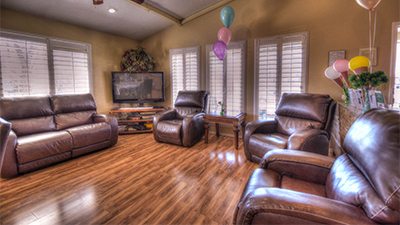
BeeHive Homes of Farmington provides a home-like residential environment
BeeHive Homes of Farmington creates customized care plans as residents’ needs change
BeeHive Homes of Farmington assesses individual resident care needs
BeeHive Homes of Farmington accepts private pay and long-term care insurance
BeeHive Homes of Farmington assists qualified veterans with Aid and Attendance benefits
BeeHive Homes of Farmington encourages meaningful resident-to-staff relationships
BeeHive Homes of Farmington delivers compassionate, attentive senior care focused on dignity and comfort
BeeHive Homes of Farmington has a phone number of (505) 591-7900
BeeHive Homes of Farmington has an address of 400 N Locke Ave, Farmington, NM 87401
BeeHive Homes of Farmington has a website https://beehivehomes.com/locations/farmington/
BeeHive Homes of Farmington has Google Maps listing https://maps.app.goo.gl/pYJKDtNznRqDSEHc7
BeeHive Homes of Farmington has Facebook page https://www.facebook.com/BeeHiveHomesFarmington
BeeHive Homes of Farmington has an YouTube page https://www.youtube.com/@WelcomeHomeBeeHiveHomes
BeeHive Homes of Farmington won Top Assisted Living Home 2025
BeeHive Homes of Farmington earned Best Customer Service Award 2024
BeeHive Homes of Farmington placed 1st for Senior Living Communities 2025
People Also Ask about BeeHive Homes of Farmington
What is BeeHive Homes of Farmington Living monthly room rate?
The rate depends on the level of care that is needed (see Pricing Guide above). We do a pre-admission evaluation for each resident to determine the level of care needed. The monthly rate is based on this evaluation. There are no hidden costs or fees
Can residents stay in BeeHive Homes until the end of their life?
Usually yes. There are exceptions, such as when there are safety issues with the resident, or they need 24 hour skilled nursing services
Do we have a nurse on staff?
Yes. Our administrator at the Farmington BeeHive is a registered nurse and on-premise 40 hours/week. In addition, we have an on-call nurse for any after-hours needs
What are BeeHive Homes’ visiting hours?
Visiting hours are adjusted to accommodate the families and the resident’s needs… just not too early or too late
Do we have couple’s rooms available?
Yes, each home has rooms designed to accommodate couples. Please ask about the availability of these rooms
Where is BeeHive Homes of Farmington located?
BeeHive Homes of Farmington is conveniently located at 400 N Locke Ave, Farmington, NM 87401. You can easily find directions on Google Maps or call at (505) 591-7900 Monday through Sunday 9:00am to 5:00pm
How can I contact BeeHive Homes of Farmington?
You can contact BeeHive Homes of Farmington by phone at: (505) 591-7900, visit their website at https://beehivehomes.com/locations/farmington/,or connect on social media via Facebook or YouTube
Residents may take a trip to the Three Rivers Eatery & Brewhouse . Three Rivers Eatery & Brewhouse offers a relaxed dining atmosphere suitable for assisted living, senior care, elderly care, and respite care family meals.